Daily supplement side effects
A practical guide to compare the options and choose according to your needs.
Read article
Answer 9 quick questions about your diet, energy and routine to find out what vitamins you should take, with a personalized profile and product recommendations.


The 9 questions cover the factors that most often explain nutrient gaps in adults: age group, diet quality and diet type, energy through the day, focus, sleep and stress load, daylight exposure, and how many supplements you already juggle. Each answer adds points to a simple gap score out of 18, and your dominant answers define a profile: broad coverage, healthy aging, or energy and focus.
We built it this way deliberately. Most "what vitamins should I take" content answers with an encyclopedia: twelve nutrients, each with a paragraph, and no way to know which three actually apply to you. A short structured questionnaire inverts that: it starts from your habits, which are the thing that actually predicts gaps, and only then talks products. The output is deliberately practical: instead of listing isolated nutrients, the result points you to a routine direction and to the products of our multivitamin comparison that match your profile, including what each one does not do.
Two design choices are worth stating openly. The quiz favors consolidation: when your answers show a crowded supplement shelf, it will suggest replacing products rather than adding more, because duplicate nutrients serve nobody. And it never diagnoses: no quiz replaces a blood test, and if something feels genuinely off, a professional comes before any purchase.
Two minutes, no right answers. Answer for how your weeks actually look, not for how you would like them to look: the profile is only useful if the inputs are honest.
Age shifts nutrient priorities more than any other single factor. Under 35, diet quality dominates. Between 35 and 50, recovery and stress load start to matter. Over 50, vitamin B12 absorption declines, vitamin D and bone metabolism take the front seat, and iron usually leaves the picture, changes big enough that we wrote a dedicated guide for the over 50 profile.
Fruit and vegetable intake is the bluntest predictor of micronutrient gaps: five servings most days covers a lot of ground that no supplement needs to. Diet type adds the structural cases: vegetarian and vegan diets raise the B12 question, where the form matters as much as the dose, and chronic calorie restriction or skipped meals shrink total nutrient intake across the board.
These three questions triangulate how your engine is running. Afternoon dips, foggy days and poor sleep are not diagnoses of deficiency, and the quiz does not treat them that way. They are context: persistent low energy alongside a weak diet points differently than low energy alongside a solid one, and high stress load raises the bar for magnesium and B vitamin coverage in the answer.
Vitamin D is the nutrient your lifestyle predicts best: skin synthesis from sunlight is the primary source, so mostly indoor weeks put vitamin D at the top of the watch list regardless of diet. This single question reclassifies more results than any other.
Zero supplements means the quiz starts you from a clean baseline. Three or more bottles flips the recommendation logic from addition to consolidation: the most useful change for a crowded shelf is one complete formula that retires the duplicates, ideally in a format you enjoy taking, like the drinkable routines covered in our liquid multivitamin guide.
Broad coverage profile, mid to high score. The most frequent outcome: an irregular plate, average energy, no dramatic red flags. The rational answer is a quality daily multivitamin as a safety net, with forms worth paying attention to, methylated B12 and folate above all, as explained in our methylated multivitamin guide. One product, taken consistently, beats five products taken occasionally.
Healthy aging profile. Driven by the over 50 answer or the healthy aging goal. Vitamin D, B12 form, K2 alongside D3 and magnesium become the label priorities, and the iron-free question enters the picture. Depending on how targeted you want to be, the answer ranges from one complete formula to a science-led targeted product stacked on a good diet.
Energy and focus profile. Chosen goal plus energy or focus complaints. Honesty first: sleep, stress and movement move this needle more than any supplement, and the result says so. On the nutrient side, B vitamin coverage and magnesium are the rational baseline, and the targeted longevity formulas in our comparison serve the buyers who want to go further.
Low score, clean routine. The quiz will tell you the truth: your routine looks solid, and the goal is maintenance, not correction. No purchase is also a valid result.
A questionnaire reads habits, not blood. It cannot see your actual vitamin D level, your iron stores or your B12 status; only a blood test ordered and interpreted by a professional can. It cannot account for medication interactions, pregnancy, or diagnosed conditions, which is why those situations route to a doctor before any product page. And it cannot promise outcomes: supplements support a routine built on food, sleep and movement, they do not replace one.
Used within those limits, a two minute quiz does something genuinely useful: it turns a vague worry, "should I be taking something?", into a structured starting point you can act on or discuss with your doctor. That is the deal, and it is a fair one.
Vitamin D. The sunlight vitamin, central to bone health and the nutrient adults most commonly run short on, especially with indoor lifestyles. Quality formulas use D3, ideally paired with K2, and your daylight answer in the quiz is what puts it on your watch list.
Vitamin B12. The energy and nerve function vitamin, sourced from animal foods, which is why vegetarian and vegan answers raise it immediately. Form matters: methylcobalamin is the active version worth looking for on any label, and absorption declines with age, which is why the over 50 answer raises it too.
Folate. B12's partner in the same cellular machinery. The supplement world is moving from synthetic folic acid to 5-MTHF, the active form, and a label that made that move usually got the rest right as well.
Magnesium. Involved in muscle function, sleep quality and energy metabolism, with intakes commonly below recommendations. Stress and poor sleep answers raise its priority. Bisglycinate is the well-tolerated form; cheap oxide is the one to avoid.
Vitamin K2. The quiet teammate of vitamin D in calcium metabolism, increasingly included as MK-7 in premium formulas. You rarely need it alone; you want it present next to D3 in whatever you pick.
Zinc and vitamin C. The immune duo. Deficiencies are less common with a decent diet, which is why they sit in the baseline coverage of a good multivitamin rather than at the top of any quiz result.
Every one of these appears, in named form, in the products our comparison ranks, which is exactly why the quiz can translate a habits profile into a shortlist instead of leaving you with a shopping list of twelve separate bottles.
You answer 9 questions about your age, diet, energy, focus and current supplement routine. Your answers are weighted into a simple gap score and a profile, which we translate into practical product directions. It is an educational tool, not a medical test.
A quiz can identify likely gaps from your habits, like a low intake of fruits and vegetables or a restrictive diet. Only a blood test ordered by a professional can confirm a real deficiency. Use the quiz to structure your routine, and your doctor to confirm specifics.
The quiz is free. We ask for your email to send you your detailed result and a short follow-up series about building a supplement routine. You can unsubscribe at any time, and we never sell your address.
The quiz takes that into account. If you juggle three or more bottles, your result will usually point toward consolidating into one complete daily formula rather than adding another product on top.
There is no universal answer, which is why the quiz asks about your specifics. That said, the nutrients adults most often run short on are vitamin D, magnesium and, for restrictive diets, vitamin B12. A quality multivitamin covers those baselines; your habits decide whether you need more than that.
Morning with breakfast is the practical default: fat-soluble vitamins absorb better with food, B vitamins can feel energizing rather than sedating, and a fixed meal anchor is the best consistency trick there is. Magnesium is the classic exception some people prefer at night.

To continue reading, also see Daily supplement side effects, Methylated multivitamin guide and Best multivitamin for women over 50.

A practical guide to compare the options and choose according to your needs.
Read article
A practical guide to compare the options and choose according to your needs.
Read article
A practical guide to compare the options and choose according to your needs.
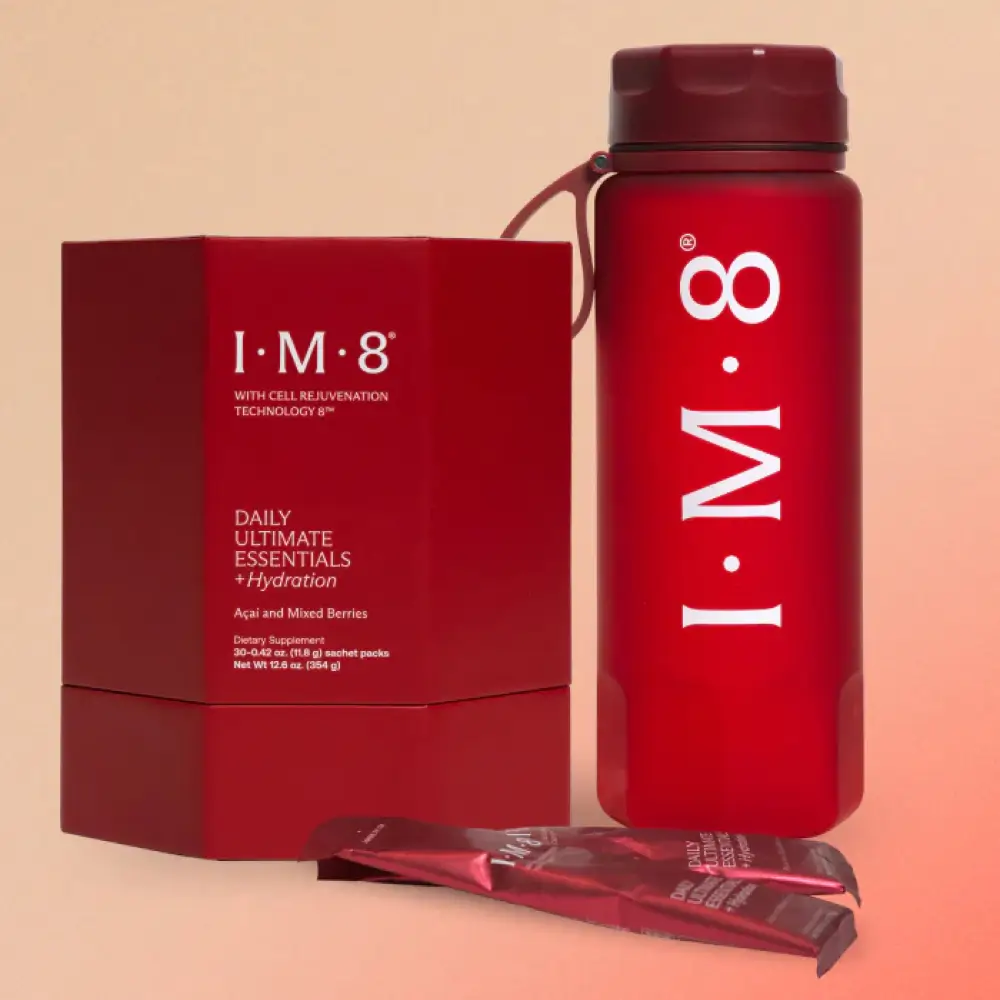
Read article Partner offer IM8 Daily Ultimate Essentials is the most coherent all-in-one routine for someone searching for a...