Daily supplement side effects
A practical guide to compare the options and choose according to your needs.
Read article
What a methylated multivitamin actually is, who benefits from methylcobalamin and methylfolate, MTHFR explained simply, how to read the label, and our 2026 pick.


A methylated multivitamin uses active B vitamin forms, mainly methylcobalamin for B12 and 5-MTHF for folate, so your body skips a conversion step. It is one of the few label details that genuinely separates serious formulas from cheap ones.
This guide explains the concept and compares practical buying criteria without medical claims.
A methylated multivitamin is a formula where certain B vitamins are provided in their active forms: methylcobalamin instead of cyanocobalamin for vitamin B12, and methylfolate (often written 5-MTHF or Quatrefolic) instead of folic acid. The difference is not marketing poetry, it is biochemistry: standard forms need to be converted by your body before they can be used, while methylated forms arrive ready to work.
Why does the word "methylated" specifically appear? Because the conversion in question attaches a methyl group, a tiny one-carbon unit, to the vitamin. Methyl groups are currency in the body: they are passed around in a set of reactions collectively called methylation, which participates in DNA maintenance, neurotransmitter production and the recycling of homocysteine. B12 and folate sit at the heart of that cycle, which is why their forms get so much attention compared to, say, vitamin C, where the form question barely exists.
For most people the conversion step works fine. But it is less efficient in a meaningful share of the population carrying common variants of the MTHFR gene, which is why methylated forms have become a recognized quality marker in supplement formulation. They also cost more to produce, so their presence tells you something about how a brand builds its formula: a company that pays for Quatrefolic instead of commodity folic acid generally did not cut corners elsewhere either.
That is the honest framing: choosing a methylated multivitamin is choosing a higher formulation standard, not buying a treatment. If you suspect a real deficiency, the right move is a conversation with a healthcare professional and a blood test, not a bigger dose.
Cyanocobalamin is the synthetic workhorse of cheap supplements: stable, inexpensive, and perfectly usable by most bodies after conversion. Methylcobalamin is the form your cells actually use in the methylation cycle. The practical case for methylcobalamin strengthens with age, because B12 absorption declines as stomach acid production drops, a point that matters enough after menopause that we cover it separately in our guide for women over 50. If two formulas are otherwise equal, the one listing methylcobalamin is the better engineered one.
Folic acid is the synthetic form used in fortification and basic supplements, and it requires several conversion steps before becoming useful. 5-MTHF, also sold under the branded name Quatrefolic, is the end product of that chain, delivered directly. This is the nutrient where the MTHFR story matters most: less efficient converters process folic acid slowly, and unconverted folic acid circulating in the blood is something formulators increasingly prefer to avoid altogether by using 5-MTHF from the start.
The same logic extends to B6. Pyridoxine hydrochloride is the standard cheap form; pyridoxal 5-phosphate (P5P) is the active coenzyme form. Fewer buyers know to look for it, which makes it a useful tiebreaker: a label that bothers with P5P was written by formulators who cared about the whole B complex, not just the two famous letters.
Riboflavin as riboflavin-5-phosphate, thiamin as a well-dosed HCl, and niacin as flush-free niacinamide round out a thoughtfully built B complex. No single one of these is decisive, but together they draw a clear line between designed formulas and assembled ones.
MTHFR is the gene coding for the enzyme that performs the final step of folate activation. Common variants of this gene, carried by a substantial minority of the population, reduce the enzyme's efficiency. Around this fact, the internet has built both useful awareness and a great deal of overclaiming, so let us keep it factual.
What is solid: carriers of the slower variants convert folic acid less efficiently, and supplementing with 5-MTHF sidesteps that specific step entirely. What is overclaimed: that an MTHFR variant explains any list of symptoms on its own, or that everyone needs genetic testing before buying a supplement. Neither is true, and no supplement page, including this one, should diagnose anything.
The practical takeaway is refreshingly simple: a methylated formula works for efficient and less efficient converters alike, which makes it a rational default precisely because you do not need to know your genotype to benefit from it. If your personal or family history makes MTHFR a real question for you, take that question to a professional who can order and interpret an actual test.
Fast label check: search the supplement facts for methylcobalamin, 5-MTHF or Quatrefolic, and P5P. If B12 only says cyanocobalamin and folate only says folic acid, the formula is not methylated.
Three profiles get the most out of methylated formulas. First, quality-by-default buyers: people who want the best absorbed forms as a standard, and accept paying somewhat more for that. For them, methylated forms are like buying the better tier of anything: not essential, consistently better. Second, adults over 50, since B12 absorption declines with age and the active form removes one variable from the equation. Third, people for whom conversion efficiency is a known concern, whether through testing or professional advice.
Who benefits least? Someone young, omnivorous, eating well and already taking a decent standard multivitamin has the least to gain from switching on this criterion alone. Even then, the methylated label remains a useful proxy for overall formula quality when comparing two unknown brands.
If you are unsure where you stand, start from your routine rather than from genetics: our two minute vitamin quiz helps you identify what your current diet and lifestyle may be missing before you pick any product.
Reading a supplement facts panel for methylation quality takes under a minute once you know the moves. Find the B12 line and read the parenthesis: (as methylcobalamin) passes, (as cyanocobalamin) is the budget signal. Find folate: (as 5-MTHF), (as L-methylfolate) or the Quatrefolic brand name pass; plain folic acid does not. Bonus points for B6 (as pyridoxal 5-phosphate). Then zoom out and apply the general checks that matter on any label: doses stated per nutrient rather than hidden in proprietary blends, sensible percentages rather than absurd mega-doses, and a format you will actually take daily, a topic our drinkable formats guide covers in depth.
One trap deserves its own warning: stacking. B vitamins appear in multivitamins, energy drinks, greens powders and standalone B complexes, and enthusiastic stacking can multiply intakes well past anything useful. Before adding a methylated product, audit what already contains B vitamins in your routine and consolidate rather than accumulate.
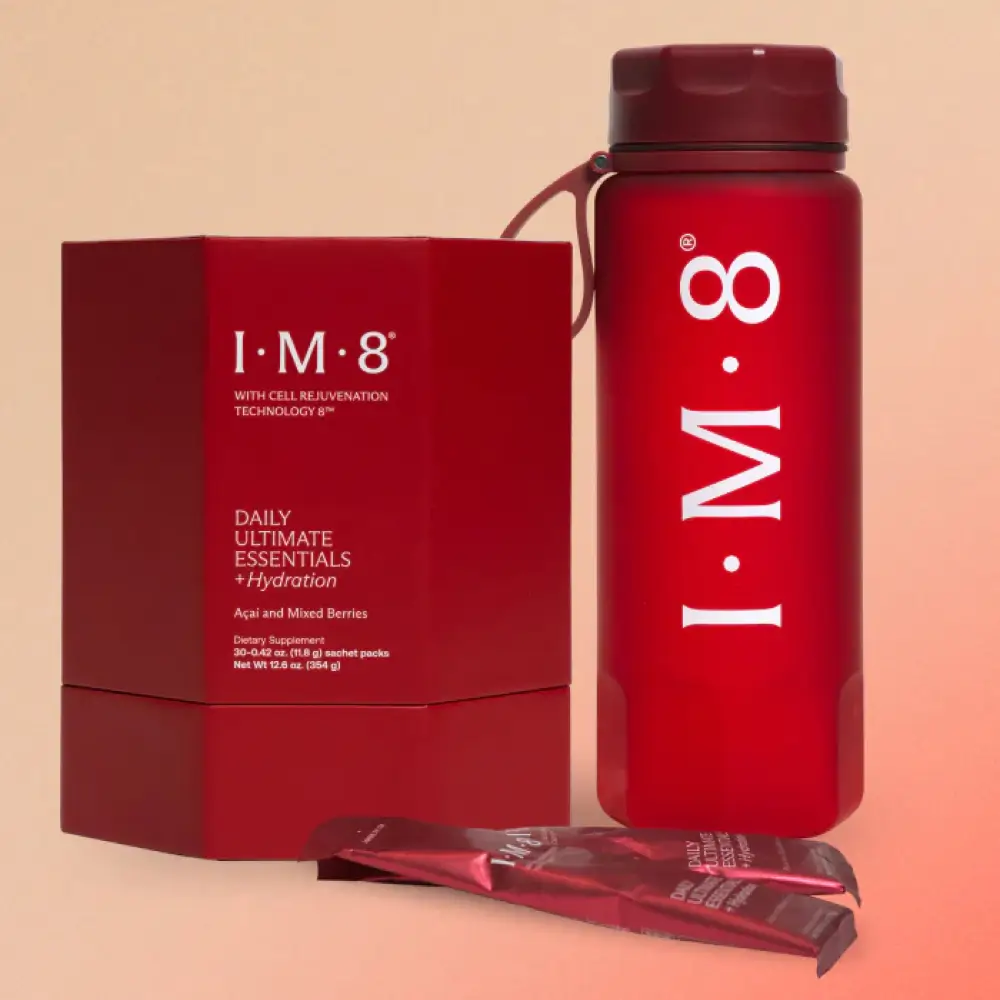
For this guide we checked the published ingredient list of Daily Ultimate Essentials by IM8 against exactly the criteria above. Vitamin B12 is listed as methylcobalamin, folate as Quatrefolic, the glucosamine salt of 5-MTHF, and vitamin B6 as pyridoxal 5-phosphate. All three active forms are present, which is rarer than it should be even among premium products, and it comes wrapped in an all-in-one drinkable routine that also covers vitamin D as plant-based D3, K2 as MK-7 and magnesium as bisglycinate chelate.
That combination makes IM8 the natural main pick here: it passes the methylation test while solving the broader problem most buyers actually have, which is consolidating a shelf of products into one sustainable habit. The trade-off does not change: it is a premium product, priced accordingly.
NAD+ Cell Formula by Life Extension plays a different role in our main ranking: it is not a multivitamin but a focused cellular energy formula from a science-led brand, a reasonable companion for people who build their routine from targeted supplements instead of one complete formula. Whatever you pick, one rule stays: check the current supplement facts before ordering. Formulas evolve, and the label always beats any review, including ours.
Code verified and valid for 2026
It means some B vitamins are included in their active, already converted forms: typically methylcobalamin for vitamin B12 and methylfolate (5-MTHF) instead of folic acid. Your body can use these forms directly, without a conversion step.
People who prefer active vitamin forms, people over 50 whose B12 absorption declines, and people who know they carry common MTHFR gene variants that make folic acid conversion less efficient. If you suspect this applies to you, discuss testing with a healthcare professional rather than self-diagnosing.
IM8 publishes its ingredient forms, and its Daily Ultimate Essentials formula lists vitamin B12 as methylcobalamin, folate as Quatrefolic (a 5-MTHF form), and vitamin B6 as pyridoxal 5-phosphate, the active P5P form. Always check the current label before buying, as formulas can evolve.
For most healthy people, both work: the body converts standard forms routinely. The difference shows at the margins: less efficient converters, older adults, and anyone who prefers removing the conversion step. Methylated forms are a formulation quality standard more than a different product category.
Methylated forms are standard food supplement ingredients. A small number of users report feeling wired or restless when starting high-dose methylated B vitamins; if that happens, taking the product earlier in the day or reviewing the dose usually settles it. Stay within labeled doses and ask a professional if unsure.
No. A methylated formula is a reasonable default whether or not you ever test, precisely because it works for both efficient and less efficient converters. If you have a personal or family history that makes you curious about MTHFR, that conversation belongs with a healthcare professional.

To continue reading, also see Daily supplement side effects, What vitamins should I take? Quiz and Best multivitamin for men.

A practical guide to compare the options and choose according to your needs.
Read article
A practical guide to compare the options and choose according to your needs.
Read article
A practical guide to compare the options and choose according to your needs.
Read article Partner offer IM8 Daily Ultimate Essentials is the most coherent all-in-one routine for someone searching for a...