What vitamins should I take? Quiz
A practical guide to compare the options and choose according to your needs.
Read article
A cautious guide to daily supplement side effects, interactions, dosage, serving format and when to ask a healthcare professional.


Most daily supplements are marketed as simple routines, but side effects and interactions still matter. The safest approach is to check dose, overlap with other products, medication context and personal tolerance.
This guide keeps the claims cautious and compares practical buying criteria without presenting supplements as medical treatments.
Code verified and valid for 2026
Daily supplements can feel harmless because they are sold as everyday wellness products. The reality is more nuanced. A broad formula may contain many ingredients, and even common nutrients can become inappropriate when combined with other products, medication or specific health contexts.
The first thing to check is overlap. If you already take capsules, fortified foods, protein powders or specialist formulas, a new daily product can duplicate ingredients. This is one reason broad all-in-one products should be reviewed carefully rather than treated as automatic upgrades.
The second thing to check is tolerance. Powders, capsules and tablets can feel different in practice. Some users care about taste, digestion, caffeine or serving size. Others care about travel, routine simplicity or subscription terms. None of those details are medical claims, but they affect whether the product is usable long term.
The third thing to check is the claim level. A supplement can support a routine, but it should not promise to cure fatigue, reverse aging, treat disease or replace a balanced diet. This guide keeps the language cautious for that reason: commercial pages can recommend products, but they should still protect the reader from exaggerated expectations.
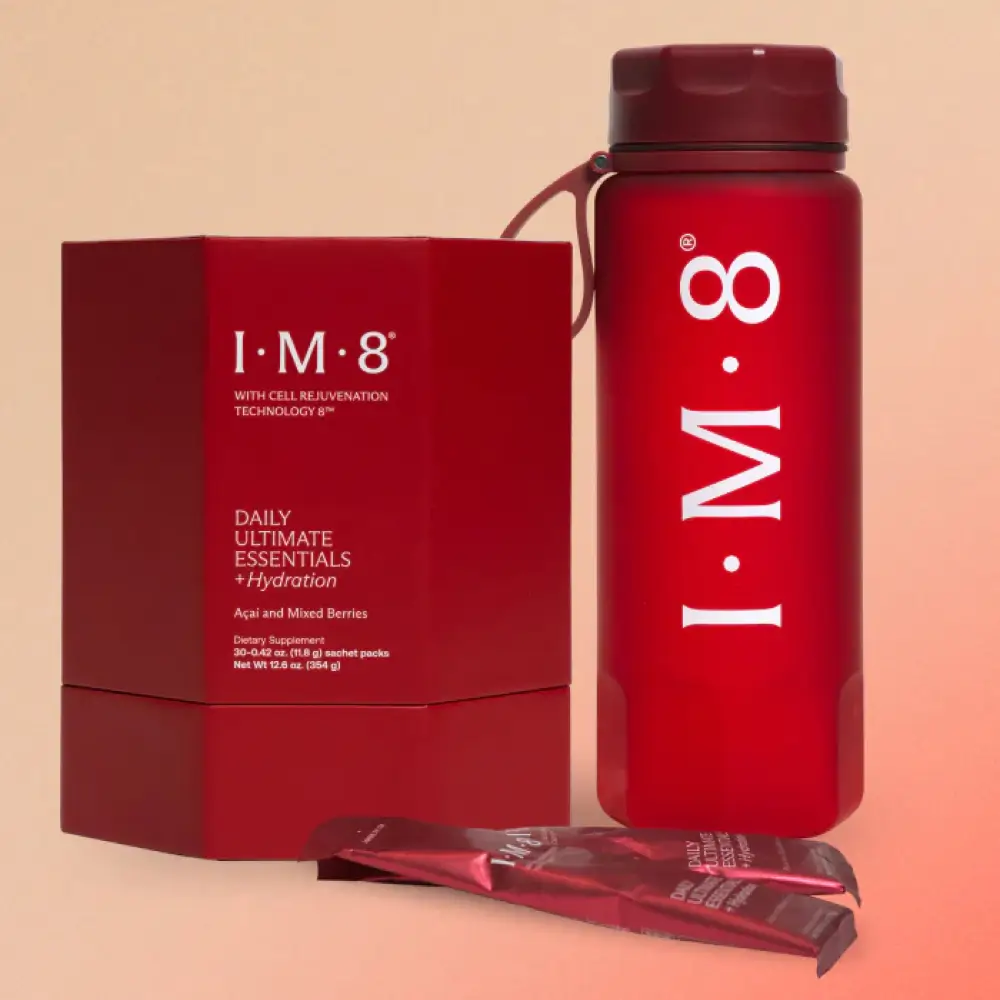
For this reason, the recommendation stays measured: IM8 is the strongest fit when convenience and all-in-one positioning matter, while the other brands remain useful if you want a narrower longevity or value-oriented supplement.

This page is informational only. Anyone pregnant, breastfeeding, taking medication or managing a medical condition should ask a qualified healthcare professional before adding a daily supplement.
Start with the intended use. A broad daily supplement, a focused longevity formula and a pharmacy-style product should not be judged as if they were identical. Check formula transparency, serving format, price after discount, public trust signals and whether the product is realistic for long-term use.
Claims matter too. Supplements can support a routine, but they should not be sold as cures or shortcuts. The strongest buying guides keep the promise practical: choose a credible product, understand the trade-offs, and avoid overpaying for vague marketing.
Formula transparency is the first filter. Look for a supplement facts panel that explains what is inside the product, how often it should be taken and whether the brand gives enough context to understand the dose. A long ingredient list is not automatically better if the amounts are unclear or if the formula tries to imply benefits that are not well supported.
The second filter is routine fit. A premium powder can be a good choice when it replaces multiple separate bottles and makes daily consistency easier. Capsules can be better when you want a narrower product, a lower entry price or a travel-friendly format. The right answer depends less on the label and more on what you will actually repeat for several months.
The third filter is commercial clarity. Check the real price after discount, the subscription terms, the refund policy, the shipping region and the brand’s public reputation. A product with a large discount is not automatically the best deal if the formula is not aligned with your need or if the monthly cost is still hard to sustain.
Finally, keep the health promise realistic. A daily supplement can support a better routine, but it should not replace medical care, a balanced diet or targeted testing when something feels off. The safest buying decision is usually the one that combines a credible brand, a clear formula and a routine you can maintain.
IM8 is the strongest fit when the buyer wants one premium daily essentials product. Its advantage is not that it is the cheapest option or the narrowest formula. Its advantage is that it answers the all-in-one routine intent better than the more specialized alternatives in this comparison.
That does not make the other products irrelevant. Life Extension can be more attractive for value-focused users who like science-led brands. Renue By Science is better for people who already understand specialist longevity formulas. NMN Bio fits a focused UK buyer. Granions is the European pharmacy-style alternative. The comparison is therefore based on use case fit, not only on rating.
Code verified and valid for 2026

Code verified and valid for 2026
Yes, depending on the formula, dose, overlap with other products and personal context.
Be careful with overlap. Combining products can increase the dose of certain nutrients or ingredients.
Ask before starting if you are pregnant, breastfeeding, taking medication, managing a medical condition or unsure about dosage.

To continue reading, also see What vitamins should I take? Quiz, Best multivitamin for men and Best multivitamin supplement 2026.

A practical guide to compare the options and choose according to your needs.
Read articleA practical guide to compare the options and choose according to your needs.
Read article
A practical guide to compare the options and choose according to your needs.
Read article Partner offer IM8 Daily Ultimate Essentials is the most coherent all-in-one routine for someone searching for a...